shopping_cart
Your cart is empty
Looks like you haven't added any stars or memberships yet.
Return to Shop

Stay in orbit.
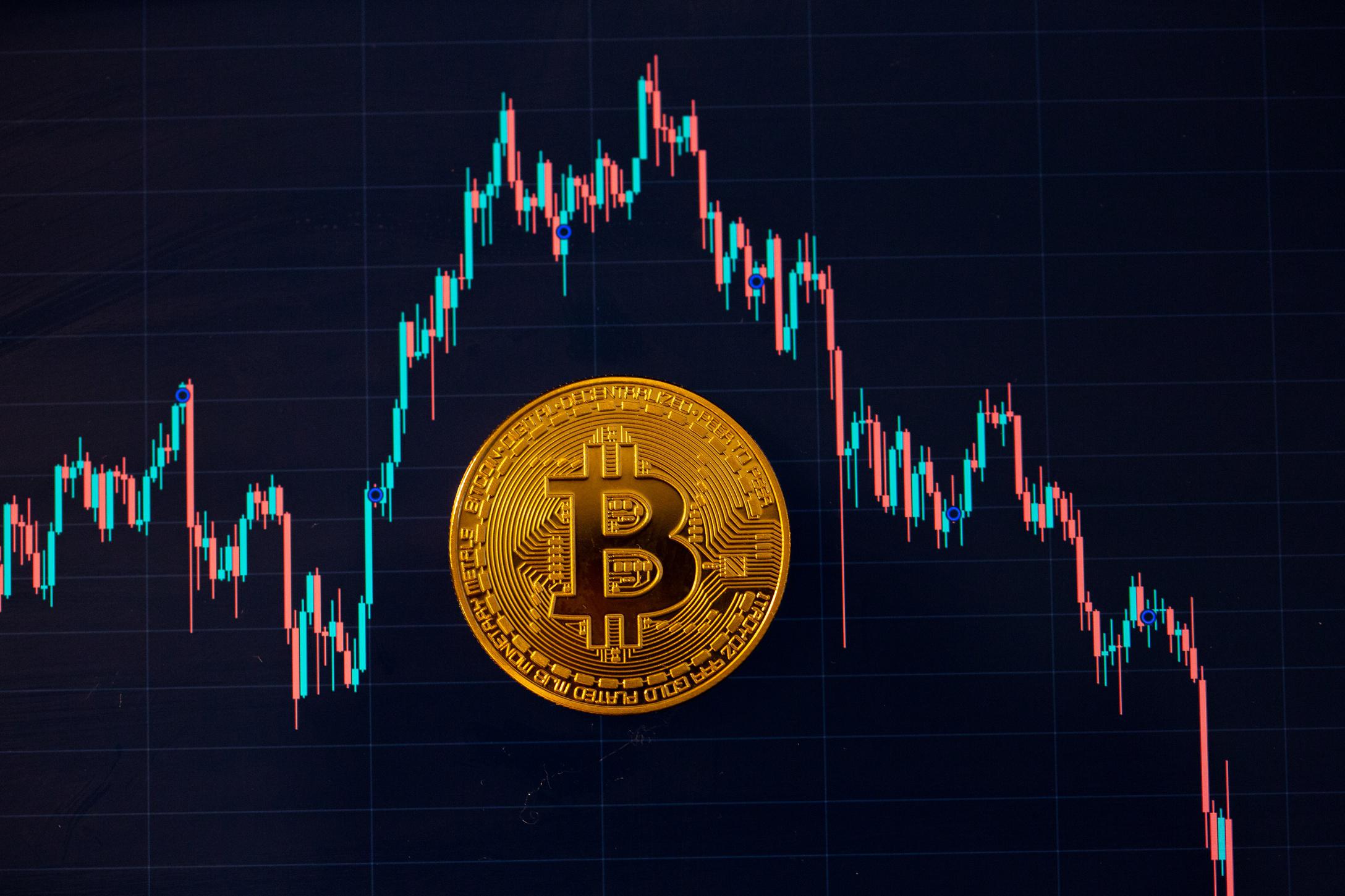

At the end of the day, cryptocurrency is acting more like an accelerant for stock volatility than a shelter from stormy markets.Read original article here.Written by: William Pesek
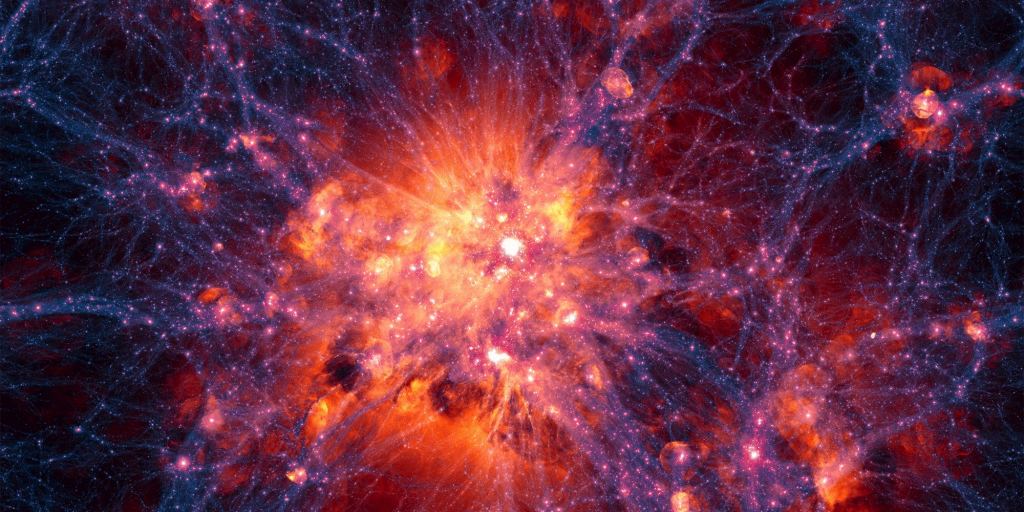
In their pursuit of understanding cosmic evolution, scientists rely on a two-pronged approach. Using advanced instruments, astronomical surveys attempt to look farther and farther into space (and back in time) to study the earliest periods of the Universe. At the same time, scientists create simulations that attempt to model how the Universe has evolved based…
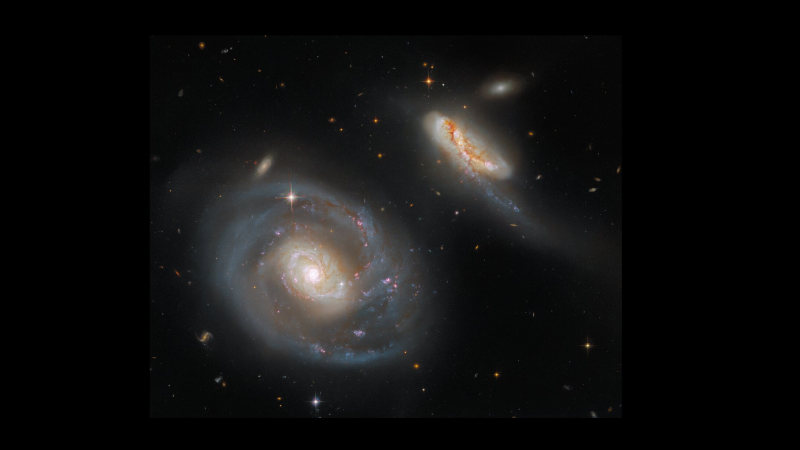
The Hubble Space Telescope continues to scout on behalf of the newly launched James Webb Space Telescope to guide future astronomy work.Read original article here.

Fast Radio Bursts (FRBs) are among the top mysteries facing astronomers today. First discovered in 2007 (the famous “Lorimer Burst“), these energetic events consist of huge bursts of radio waves that typically last mere milliseconds. While most events observed to date have been one-off events, astronomers have detected a few FRBs that were repeating in…
The notion that bitcoin, ether and other crypto can be safe investments during geopolitical turmoil is being challenged.Read original article here.Written by: Antonio Ruiz Camacho

Heather Morgan, the wannabe Tiktok and hip-hop star, and her husband allegedly stole $4.5bn worth of cryptocurrency Heather Morgan is free, for now. The 31-year-old fraudster was offered bail on Valentine’s Day, releasing her from incarceration while her husband, Ilya “Dutch” Liechtenstein, remains in federal bondage.Morgan is at the centre of a psychedelic cryptocurrency saga,…

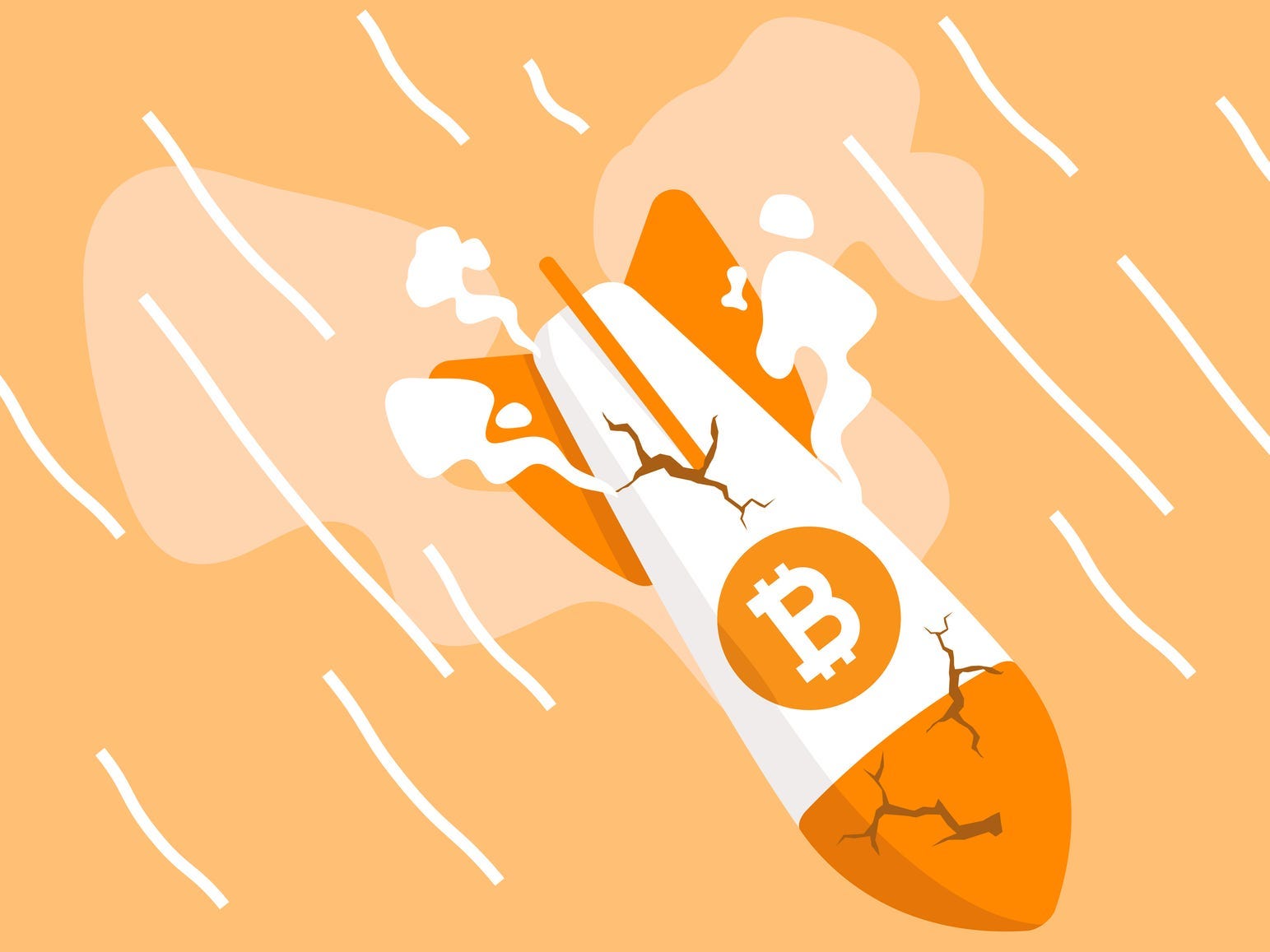
Cryptocurrencies are feeling the panic among investors after Russia’s attack on Ukraine, with bitcoin at one-month lows and altcoins tumbling.Read original article here.

The phenomenon of fast radio bursts is one of the greatest mysteries of modern astrophysics. Until now it has been believed that their source is magnetars. The latest discovery, in which dr Marcin Gawroński from the NCU Institute of Astronomy played a large part, may partially revise this view.Read original article here.